
In this first part of our two-episode series on language, we begin with a difficult but necessary question: what role do words play before violence begins?
This episode explores the idea that language is not just cultural expression or communication – it can also be a political tool, a marker of identity, and sometimes a precursor to conflict. We start with the concept of Russian insurgents operating inside Ukrainian towns and cities. Who are they? How did they emerge? And why is language often one of the first signals that something deeper is happening beneath the surface?
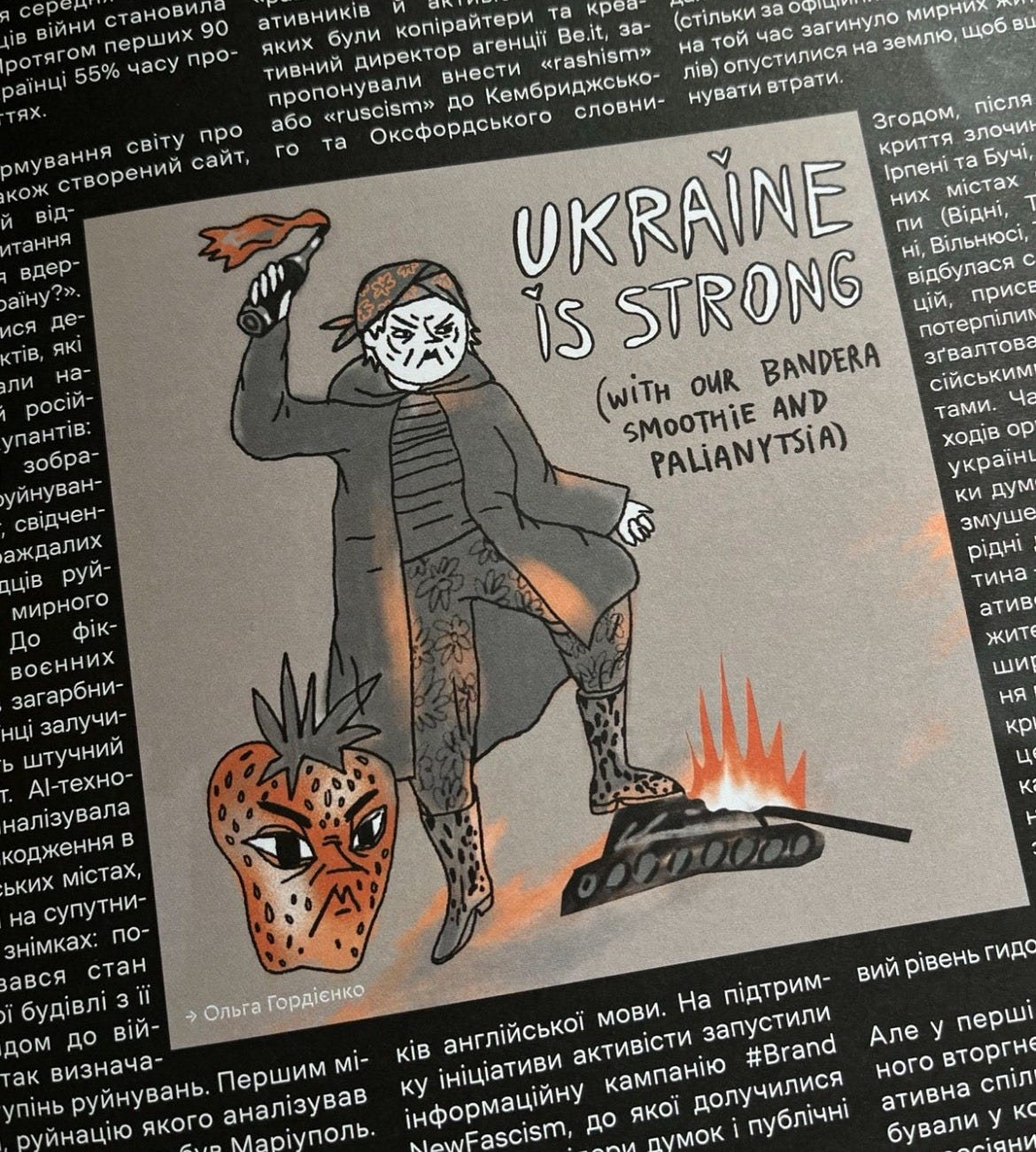
Hanna looks at how narratives around “Russian-speaking populations” have been used to justify military intervention, and why the phrase itself is more complicated than many outside Ukraine realise. We discuss the historical roots of Russian language dominance in urban centres such as Kharkiv, Mariupol, Dnipro, and Odesa – places that are frequently labelled as “pro-Russian” despite long histories of multilingual and Ukrainian cultural identity.
The conversation also explores how insurgent networks are identified and exposed, not only through military intelligence or physical actions, but through rhetoric, terminology, and information campaigns. Language can be subtle, but its patterns often reveal allegiance long before weapons appear.
Beyond geopolitics, the episode turns inward. Hanna reflects on the emotional contradictions of growing up with Russian as a language of family and childhood, while also experiencing it as a tool of cultural dominance and political pressure. We discuss the ongoing struggle within Ukrainian media and publishing to reclaim audiences, particularly younger generations who have grown up in an environment saturated with Russian-language content.
We also touch on smaller but powerful acts of linguistic resistance, including the deliberate decapitalisation of “russia.” Is it a meaningful act of defiance, or does it create tension with the very language people are trying to defend? These questions reveal how deeply language is tied to identity, discipline, and personal conflict.
At its core, this episode asks whether linguistic colonisation is inherently divisive – or whether division only appears once language is weaponised for political ends. The phrase “words come before the tanks” becomes a central theme as we examine how narratives shape perception, legitimacy, and ultimately, action.
This episode is about history, identity, and the invisible structures that shape how wars are justified long before they are fought. It’s a reminder that language can build communities, but it can also redraw borders.
In Part 2, we shift the conversation to the United Kingdom, exploring how political language operates in British media and public discourse – often subtly, sometimes invisibly – and how moments of crisis expose the ideologies hidden within everyday words.


